
Category: Neuroscience
-
Don’t Let Emotions Hijack your Day
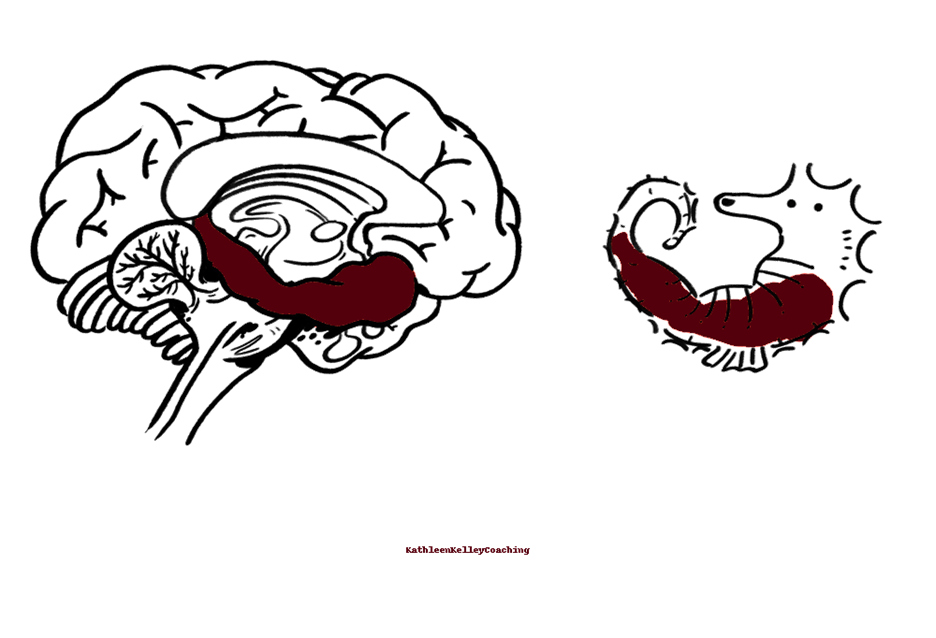
Has this ever happened to you? You are dreading something, worried, frustrated. But it just doesn’t make sense. Why am I so worried about THIS or so anxious about THAT? Most people don’t question these feelings, but instead chalk them up to “intuition” (See last week’s BLOG on intuition). I hear people call it “confirmation Read more
-
Pick your BEST THOUGHTS!
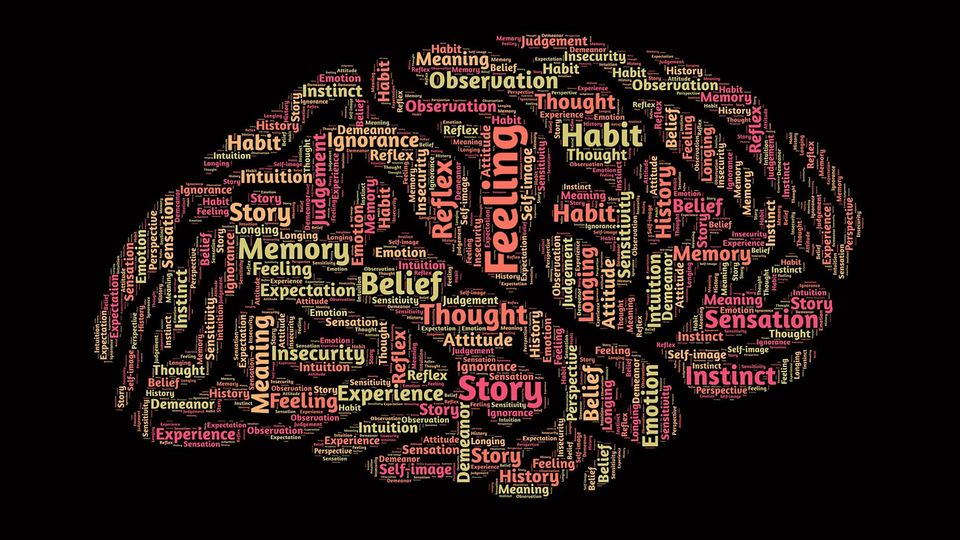
Did you know that feelings aren’t facts but products of thoughts? And, depending on who you read & what you believe, the human brain has anywhere from 10- 60 thousand thoughts per day. The scientist in me always wonders: 1. How are they counting thoughts? 2. Is that method reliable? So, I ask you, if Read more
-
How to get Time on Your Side

Dear Time Traveler (that’s you), I recently watched a YouTube video of The Rolling Stones on The Ed Sullivan Show from 1964—back when TV was black and white, but Mick Jagger’s charisma was already in full technicolor. There he was with his baby face and mop-top, singing: “Time is on my side, yes it is…” Read more
-
Why Meditate?

The word meditation conjures images from a Buddhist monk sitting quietly beneath the ancient Bodhi tree to the savvy New York businessman taking a sojourn in a high-tech Wall Street meditation pod. Each would be correct, as the definitions of “meditation” are as numerous and unique as the practitioners. “Meditation” is synonymous with “thought, consideration, Read more
-
Understanding the HPA Axis and Its Impact on Stress and Rest
What is the HPA Axis? The body’s response to stress involves a complex network of structures. One of the key players in this process is the Hypothalamic-Pituitary-Adrenal (HPA) Axis. This neural pathway is a crucial part of the body’s ability to adapt to stress. Understanding how it works can help explain why stress often feels Read more